
Starting a renovation is a significant step for any Tasmanian homeowner, and whether you're updating a bathroom, improving layout flow, or modernising an older property, what you sort out before the first trade arrives will usually determine how smooth things feel once work begins.
Across Hobart and surrounding areas such as Glenorchy, Sandy Bay, Kingston and Bellerive, many home renovations in Hobart that run into difficulty don't begin on site. The pressure usually starts much earlier, with budget assumptions, unclear scope, unrealistic timeframes or underestimated disruption sitting quietly in the background until work starts.
Before committing to drawings or selections, it helps to step back and consider the broader picture.
Renovations tend to run more smoothly when the early decisions are clear and realistic. The points below reflect what commonly makes the biggest difference in southern Tasmania.
Taken together, these foundations don't make a renovation more complicated, they make it clearer. When things are thought through properly at the start, there's simply less scrambling later.
A renovation budget is more than a single number on a page. It reflects site conditions, compliance requirements and the realities of working within an existing structure, all of which can shift once demolition begins.
Homes in areas like New Town, Taroona or West Hobart often reveal unexpected issues once walls come down, whether that's outdated wiring, ageing plumbing or structural movement. Allowing a measured contingency helps maintain clarity if adjustments are required along the way.
As Tom from Nomac Built sees it: "Renovating older homes, you're always going to find something you didn't expect once the walls come off"
"Cloth-wrapped wiring, galvanised plumbing, framing that's shifted over the decades - it's pretty common in pre-70s homes around Hobart. If there's a sensible buffer built into the budget from the start, those conversations are straightforward rather than stressful. It's the projects where the budget's been stretched tight before work even starts that tend to feel the pressure."
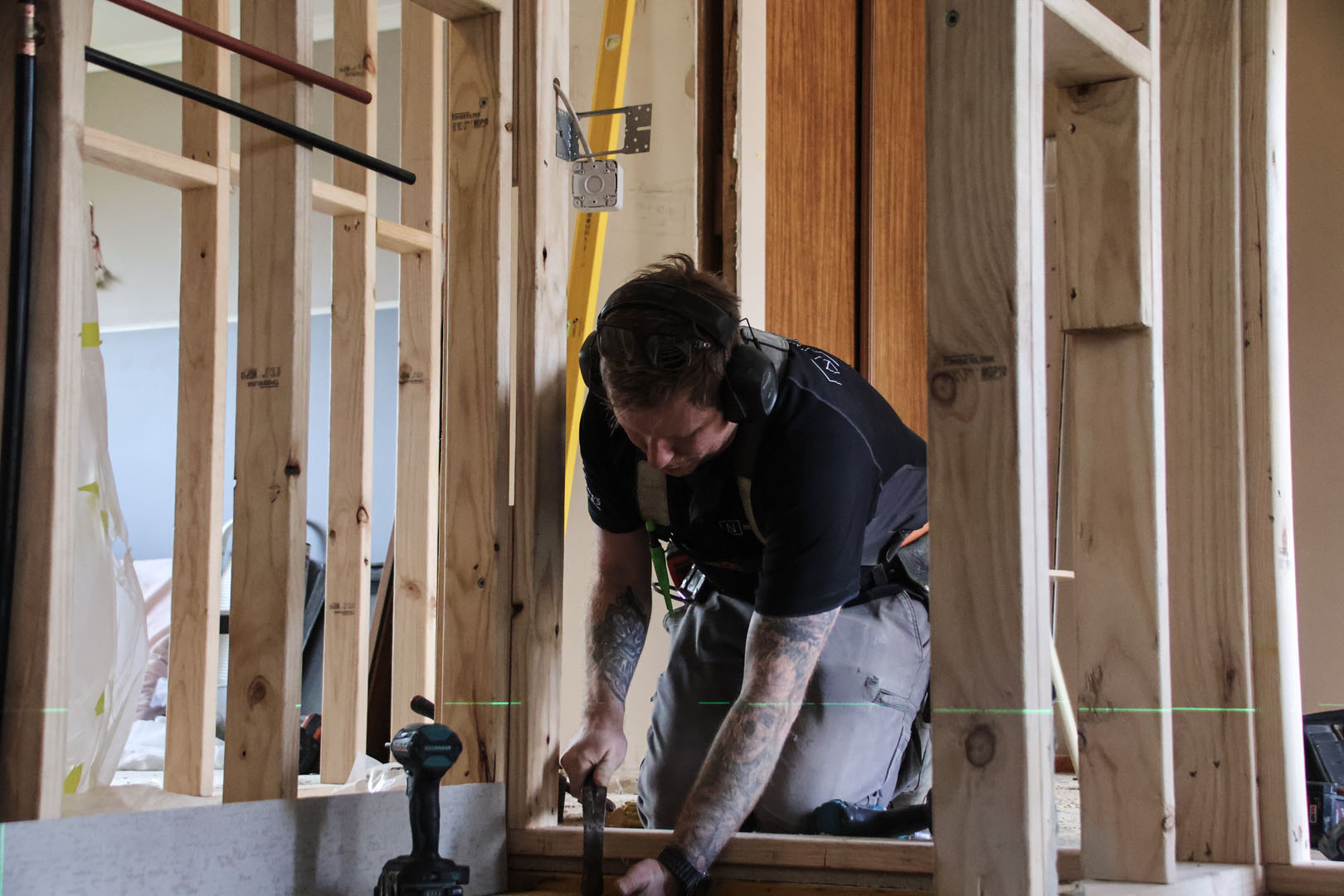
A grounded budget isn't about inflating numbers - it's about recognising that renovation carries variables new builds typically don't, and planning for that reality rather than hoping it won't apply.
If you'd like a deeper look at where renovation budgets typically drift, our guide on Budget Blowouts breaks down the most common pressure points and how to avoid them.
Before starting a renovation, clearly defining scope avoids misunderstandings and reactive changes, because even small assumptions about what's included can alter cost and sequencing in ways that are hard to unwind once work is underway.
Scope clarity usually covers:
As Zak puts it: "Nine times out of ten, the friction on a reno doesn't come from the big calls like layout or materials - it comes from the stuff people assumed was included but never actually discussed. Things like, who's supplying the tapware, or whether the painting runs into the hallway. We just find that when you write it all down clearly at the start, there's nothing to argue about later."
If you're unsure what should be included in a formal proposal, it's worth reviewing our Builder Quote Expectations so you know what to look for before signing anything.
If you're comparing renovation scope with a full rebuild, reviewing custom home builders Hobart can help clarify how processes differ.
Renovation disruption is one of the most underestimated factors, and noise, dust and restricted access affect routines more than many anticipate, particularly in established suburbs where access is tighter and homes are closer together.
In suburbs like Moonah or Sandy Bay, tighter blocks can limit access for trades and deliveries, while bathroom or kitchen upgrades may temporarily remove essential facilities, requiring practical thought around day-to-day living.
Timeframes also vary more than people expect, as even "small" renovations can involve multiple trades and inspections, and wet areas require curing periods and compliance steps that simply can't be rushed. The more realistic the sequencing is from the start, the steadier the experience tends to feel.
Tom notes: "We always have a proper chat about lifestyle impact before anything starts. How long will the bathroom be out of action, where's the dust going to end up, can you still get the car in the driveway while we've got materials on site. It sounds like small stuff, but when you're living through a renovation, those are the things that actually matter day to day. Even something as simple as knowing which bathroom will still be usable during the build makes a real difference to how the family copes."
Many of the issues people attribute to 'bad luck' are actually early planning oversights, something we cover in more detail in our Three Common Renovation Mistakes Hobart.
If you're still weighing things up, feel free to contact Nomac Built to talk through what your home might involve before committing to drawings or selections.
Tasmanian renovations often require approvals, particularly where structural, plumbing or electrical works are involved, and each municipality, including Hobart and Kingborough, follows defined processes.
Understanding compliance early helps avoid unnecessary delays, and this may include:
For wet area projects specifically, reviewing bathroom renovation Hobart can provide useful context around what is typically involved.
Zak has seen this play out firsthand: "People sometimes see the approval process as a hoop to jump through, but it's genuinely there to protect the home. We've seen projects elsewhere where waterproofing wasn't done to standard and the owners ended up with a much bigger problem two years down the track. Getting the documentation sorted properly at the start is one of those things that pays off quietly."
Before committing to finishes and layout changes, it's worth understanding the condition of the home itself. Many successful home renovations in Hobart begin with a careful assessment of structure and services before any cosmetic decisions are finalised.
A thorough assessment can identify what's happening beneath the surface, so upgrades don't end up being purely cosmetic - uneven floors, ageing framing, or signs of movement may require reinforcement before new finishes are installed, otherwise problems can reappear in visible ways down the track. Plumbing capacity and drainage conditions also matter more than people expect, since relocating fixtures can expose limitations in older pipework, and the earlier this is understood, the more confidently layouts can be finalised.
Insulation and moisture management are worth checking at this stage too, as improving performance while walls are open is often more practical than returning later - and in Tasmania's cooler climate it can noticeably improve comfort and reduce condensation-related wear. Roof and ceiling condition can be a quiet factor as well: sagging ceilings, ageing battens or limited roof ventilation may not be obvious until works begin, so addressing these early avoids reopening completed areas once finishes are installed.
In short, it's not just about making it look better, it's about making sure what's underneath is solid as well.
Renovation activity across Tasmania remains steady, particularly in established suburbs where homeowners are upgrading rather than relocating. Industry reporting and broader housing trends also suggest that when the cost or complexity of moving increases, renovation becomes a more attractive path.
In practical terms, that usually looks like:
This reinforces one key point: the more you understand the home and the scope up front, the less reactive the project becomes later.
Structural discoveries
Once demolition begins, previously hidden issues can surface, whether that's subfloor movement, undersized beams, past alterations that weren't properly supported, or framing that no longer meets current expectations. These aren't everyday occurrences, but they are the most common reason budgets shift mid-project.
Plumbing and electrical upgrades
Older homes often operate on original services that weren't designed for modern appliance loads or new layouts. Relocating bathrooms, kitchens or laundries can expose limitations in pipework, drainage fall or switchboard capacity, and upgrades here are often about safety and functionality rather than preference.
Scope changes
As work progresses, homeowners sometimes decide to extend the scope, whether that's replacing flooring in adjacent rooms, upgrading additional fixtures or altering layouts further. These decisions are understandable, but they can influence both budget and timeline if not accounted for early.
Material upgrades
Selections evolve, and what begins as a mid-range tile or tapware choice can shift once showrooms are visited. While this is usually discretionary, cumulative upgrades across multiple items can affect overall cost more than expected.
Compliance updates
Occasionally, demolition reveals elements that don't meet current standards, including waterproofing corrections, structural documentation requirements or electrical safety upgrades. These adjustments are typically smaller in proportion but important for long-term durability and alignment with regulations.
* "Indicative causes based on industry experience."
How much contingency should I allow in a renovation budget?
It depends on the age of the home and the scope of work, but older Hobart properties, particularly anything pre-1980, tend to carry more unknowns behind the walls. As a general starting point, allowing 10-15% above your quoted figure gives you room to deal with things like outdated wiring or plumbing without derailing the project. A site-specific assessment before work starts will give you a more accurate picture of what to expect.
Do I need council approval for internal layout changes?
Not always, but anything that involves structural changes, plumbing relocation or external modifications will generally need documentation through your local council, whether that's Hobart City or Kingborough. It's worth checking early because approval timeframes can vary, and discovering you need a permit mid-build can hold things up for weeks.
Is it better to finalise all selections before work starts?
Yes, as much as possible. When tiles, tapware and fixtures are confirmed before work starts, your builder can lock in accurate pricing and schedule deliveries around the trade sequence. Late changes, especially on items with longer lead times from mainland suppliers, can push the timeline out and sometimes affect cost.
Can I stage my renovation over time?
In some cases, yes, particularly if you're working through a larger home and want to prioritise the kitchen or bathroom first. The key is to plan the full picture even if you're only doing stage one now, so things like plumbing rough-ins and electrical runs can be positioned for what's coming next. Otherwise you risk opening up finished work later, which doubles up on cost.
What's the most common oversight before renovating?
Underestimating how important scope clarity is. Most of the stress on renovation projects doesn't come from the actual building work, it comes from assumptions that weren't discussed upfront. Things like where the flooring transition happens, or whether painting the adjacent hallway is included. Getting that nailed down in writing before anything starts makes the whole build feel calmer.
How do I know whether renovation or rebuild makes more sense?
It depends on structural condition, budget and long-term goals. A home with sound bones but dated finishes and services is usually a strong renovation candidate, while significant structural movement or a layout that can't be resolved without major works can shift the equation toward rebuilding. An early conversation with a builder who can assess both paths tends to be the most practical way to get a clear answer.
Before starting a renovation, clarity matters more than speed. Budget realism, defined scope, practical timelines and understanding how your home will respond to change all contribute to a steadier process.
Across Hobart, Glenorchy, Kingston and Bellerive, the renovations that feel most settled tend to begin with informed groundwork rather than rushed decisions.
If you're still deciding who to trust with your home, it may also help to read What to Look for When Choosing a Hobart Builder before making your final call.
If you'd like to talk through your ideas or sense-check what your home might involve, you're welcome to Contact Nomac Built to explore your next step.

October 12, 2026
Thinking about building on Bruny Island? Zak and Tom from Nomac Built break down the real ferry logistics, from concrete trucks to trade crews, behind a Bruny Island build.
read full post
October 1, 2026
Storage, a workshop or somewhere to park the car? Tom and Zak from Nomac Built break down when a shed does the job and when a garage is the better call in Hobart.
read full post
September 28, 2026
Confused by builder websites that all sound the same? Tom and Zak from Nomac Built break down what actually separates a custom builder from a volume builder in Hobart.
read full post
August 31, 2026
Comparing builder quotes in Hobart? Here's how tools like ChatGPT and Claude can help you understand the fine print and compare like for like.
read full post
August 24, 2026
Renovating or building in Hobart? Finalising your joinery plans before the rough-in stage avoids costly rework and keeps your project on track. Here's why it matters.
read full post
July 27, 2026
Wondering how long a bathroom renovation takes? Here's a realistic Hobart timeline, common causes of delays, and how to keep your project on track.
read full post
