
For many Tasmanian homeowners, extending is becoming a more practical alternative to relocating. Across Hobart and surrounding suburbs, the combined cost of selling, buying and moving is prompting families to improve the homes they already know and like.
In 2026, buyers are looking beyond added square metres - they are assessing layout flow, flexibility, energy performance and how seamlessly new work integrates with the existing structure.
In established areas like Sandy Bay, Taroona, Kingston and Bellerive, thoughtfully designed additions consistently stand out at resale.
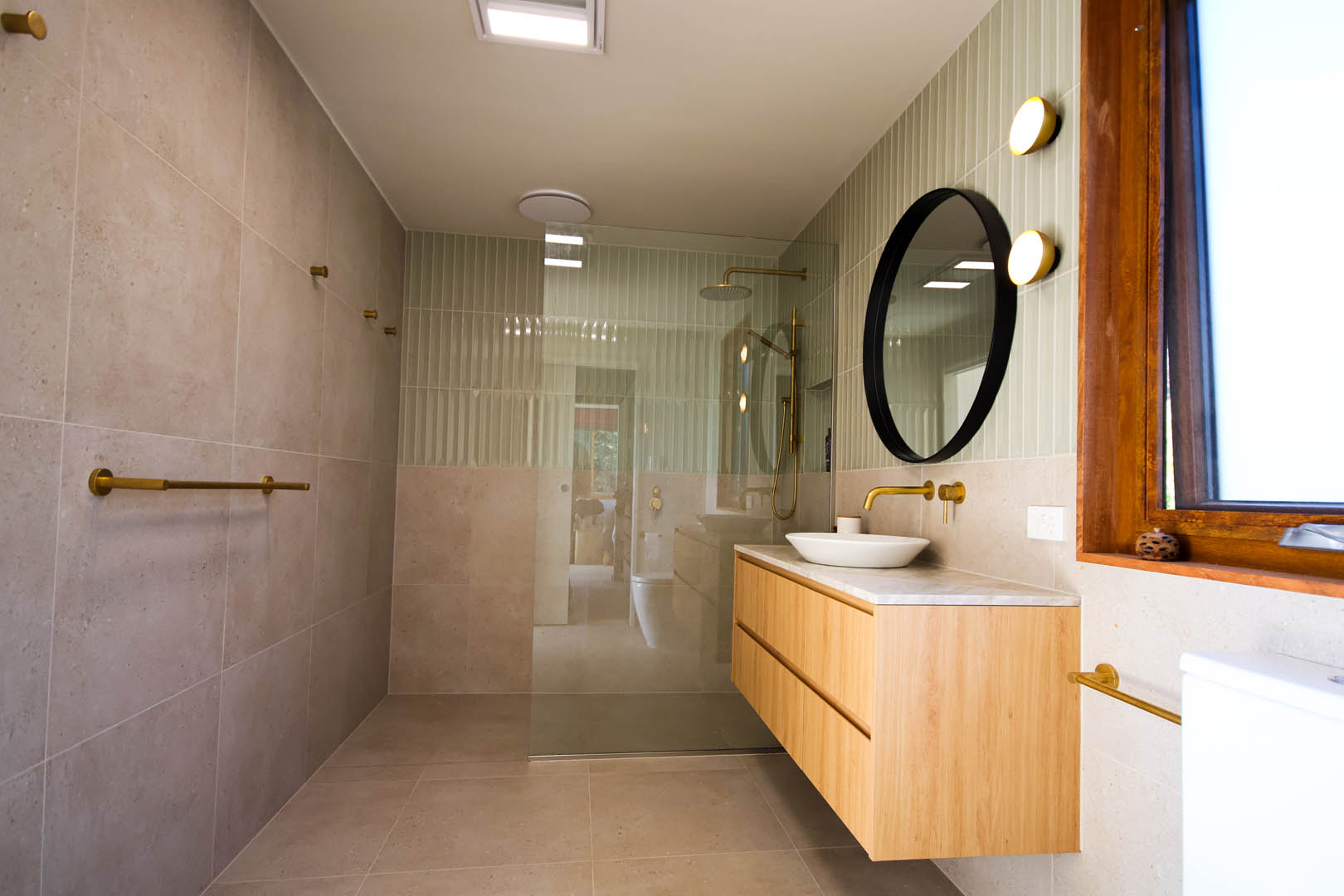
If you are weighing up your options, it helps to understand how experienced custom home builders Hobart assess functionality and long-term value before any drawings are finalised.
Recent reporting from CoreLogic and REIA Tasmania has shown that larger, well-configured three- and four-bedroom homes in Hobart have demonstrated stronger price resilience compared to smaller dwellings during softer market periods.
At the same time, the Australian Bureau of Statistics notes that around 35% of Tasmanian homes were built before 1980. Many were designed with smaller, separated rooms and limited storage by today's standards.
Tom reflects on this regularly: "A lot of Hobart homes have solid structure and good street presence. The issue is usually layout, not foundations. When you improve how the home functions for a modern family, that's where we consistently see stronger buyer interest."
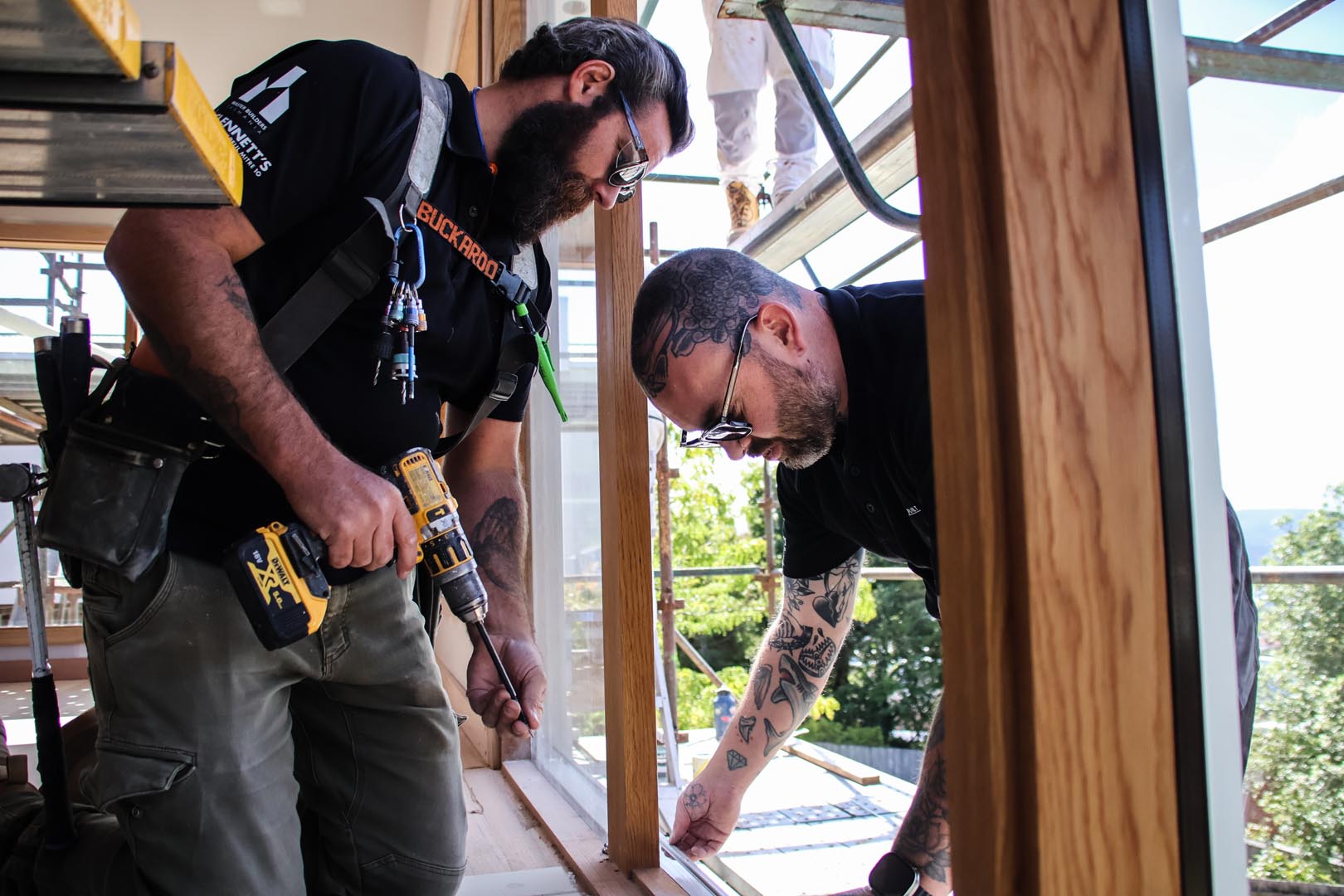
If you're assessing whether reconfiguring and extending would improve both liveability and resale in your suburb, it can help to talk through your existing layout before committing to drawings. A practical discussion early often clarifies what's worth investing in, and what isn't. Speaking with Nomac Built can help you weigh up those decisions with a clear understanding of your home and block.
Before looking at specific areas of the home, it helps to identify what consistently influences buyer perception across the Hobart market. These include:
Zak puts it simply: "Value doesn't come from square metres alone. It comes from fixing the parts of the house that frustrate people every day. If the layout works better and the space feels natural, buyers pick up on that straight away."
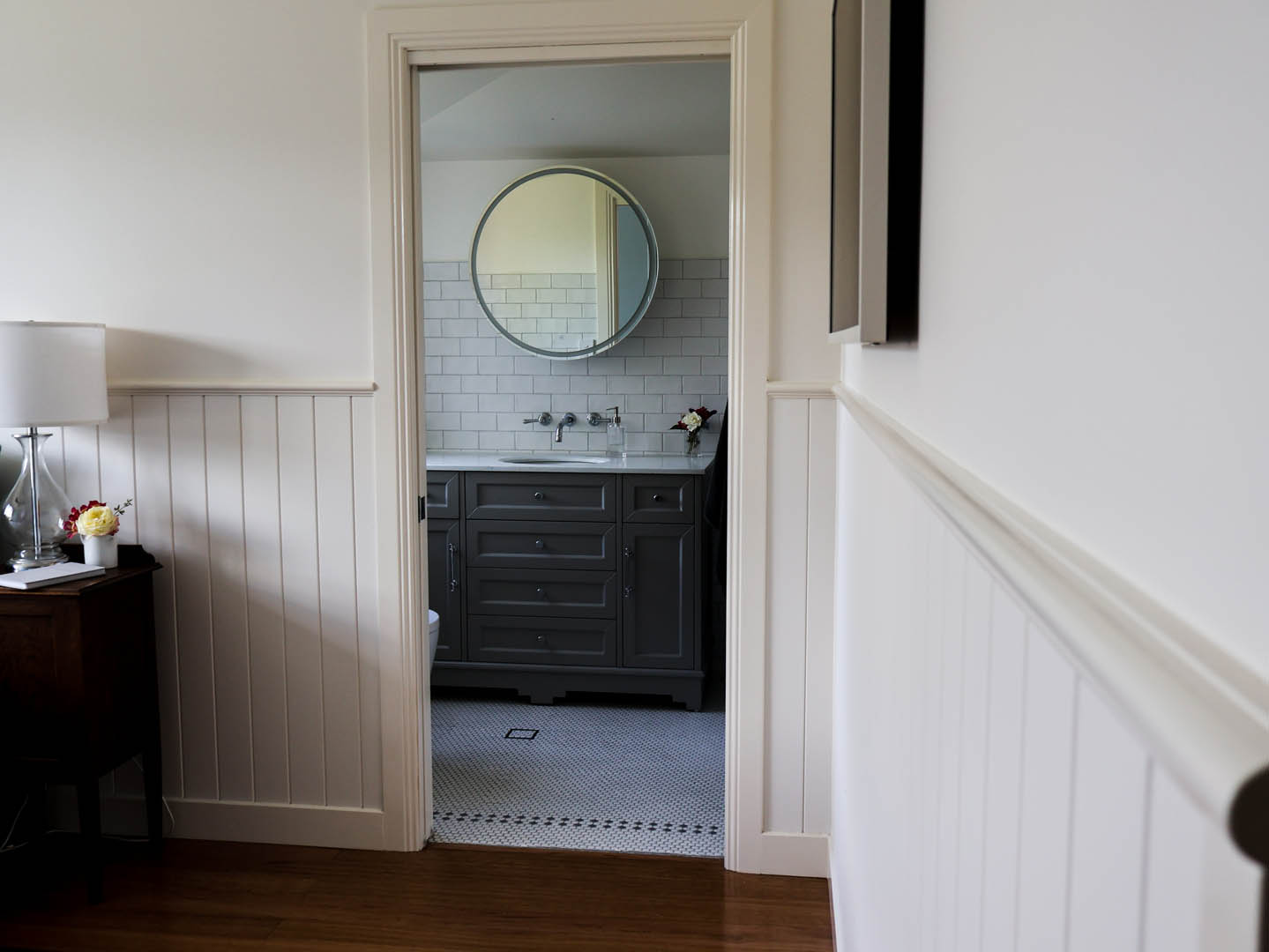
Opening up the back of an older Hobart home remains one of the most effective ways to improve liveability and resale appeal.
Many properties in suburbs like West Hobart and Lenah Valley were originally built with enclosed kitchens and limited connection to outdoor space.
Reworking the rear footprint often forms part of a broader approach to home extensions Hobart, where layout and connection are prioritised over raw size.
When circulation improves and the new space connects naturally to the backyard, buyers tend to view the change as a considered upgrade rather than an obvious alteration. In many cases, the goal isn't to dramatically increase size, but to remove barriers and improve how the home functions day to day.
Even modest changes to layout, ceiling height or glazing can significantly shift how spacious and connected the rear of the home feels, which is often what leaves a lasting impression during inspections.
Kitchens remain one of the strongest value drivers in residential property. In 2026, usability and proportion matter more than finishes alone.
When expanding or reconfiguring the kitchen zone, practical decisions tend to deliver the greatest long-term impact.
Watch The Video:
Our Lollara Road project is a great example where spaces like an expanded preparation area - as a part of a wider renvation - can improve function and capacity.
Similar layout and storage principles often apply across wet areas, particularly when considering a bathroom renovation Hobart project.
Tom notes: "When the kitchen works properly, the whole house works better. We focus on circulation and storage first, because that's what people live with every day. Finishes can always be updated later."
Secondary living areas, study nooks and multipurpose rooms are increasingly valued across suburbs like Howrah and Geilston Bay. As working patterns shift, separation within the home has become more important than it was a decade ago.
Rather than oversizing rooms, careful placement within the floor plan ensures the space feels intentional. Acoustic separation, natural light and proximity to bathrooms all influence how practical the area becomes.
Zak says: "A second living area doesn't need to be oversized. It just needs to be placed where the household actually needs it - somewhere with its own light and a bit of separation from the main living areas. That's usually what makes it genuinely useful rather than just extra space on a floor plan."
Homes offering this adaptability tend to appeal to families, down-sizers and remote workers alike.
Strong connection to outdoor space continues to influence buyer decisions. However, Hobart's cooler climate and coastal exposure mean these areas must be usable beyond summer to genuinely add value, so designing with local conditions in mind is essential from the outset.
When these elements are addressed early, outdoor areas feel integrated and purposeful rather than seasonal.
Adding bedroom space can increase value, but proportion and balance remain critical. Simply increasing numbers without protecting living areas can undermine overall appeal.
In suburbs such as Blackmans Bay and Mount Nelson, creating a well-proportioned master suite with ensuite and storage often generates stronger buyer interest than squeezing in a smaller additional room.
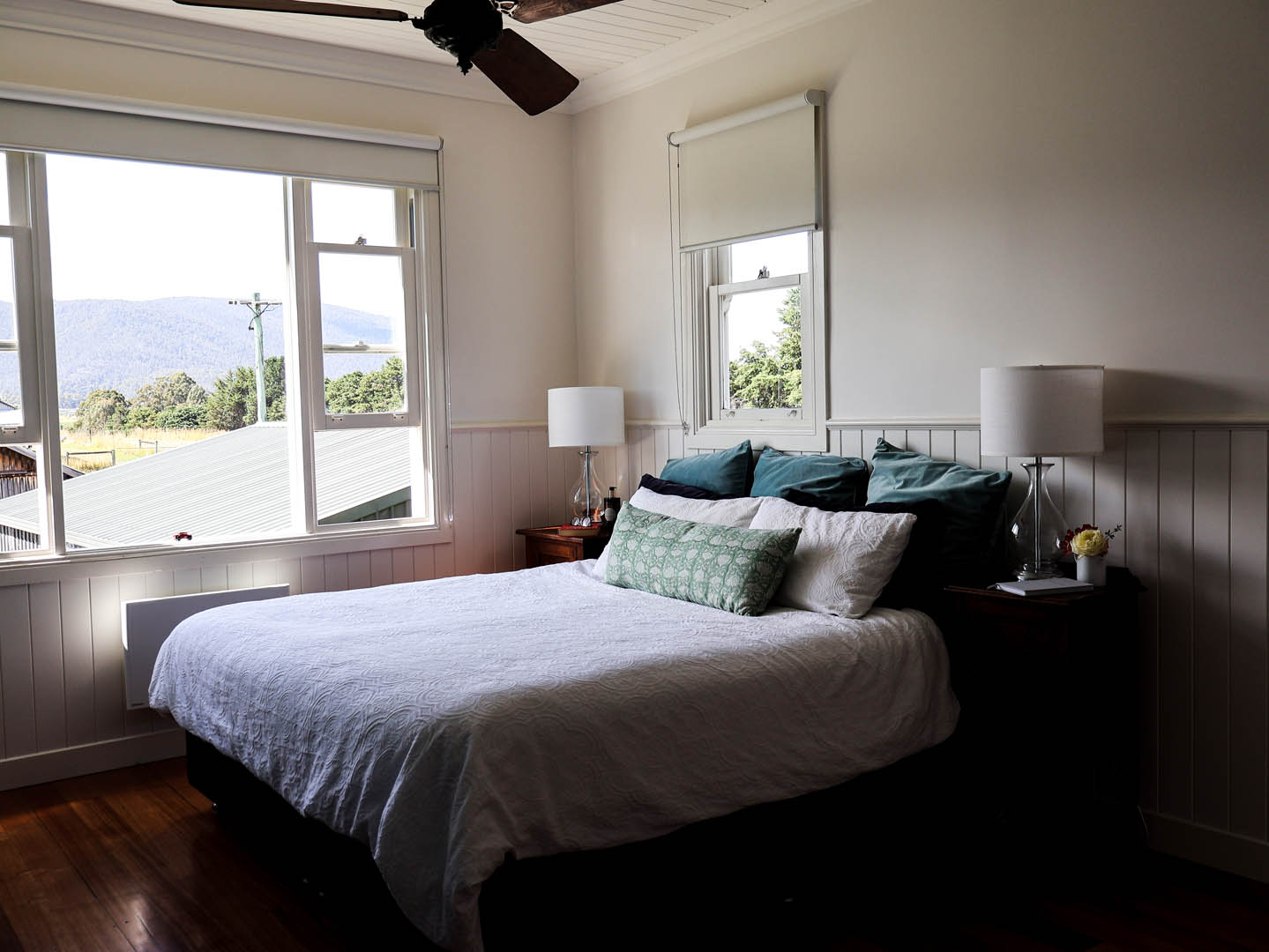
Tom adds: "It's easy to focus on bedroom numbers, but buyers care more about how the whole house feels. If the extension throws the balance out, that becomes obvious straight away. A well-proportioned master suite usually adds more than squeezing in an extra small room."
Energy efficiency is no longer a bonus feature. Buyers increasingly ask about insulation levels, glazing quality and heating performance during inspections, particularly in winter.
Reworking part of the home provides an opportunity to improve overall thermal comfort. Upgraded insulation, improved glazing and thoughtful solar orientation are often addressed when working with an experienced Hobart builder who understands local site conditions and climate demands.
While less visible than layout changes, these improvements often shape how a buyer feels when walking through the property.
What type of addition adds the most resale value in Tasmania?
Rear living reconfigurations and improved kitchen layouts typically deliver strong value because they enhance everyday functionality. Well-designed master suites also perform well when proportioned correctly.
Is it better to add bedrooms or expand living space?
It depends on the existing layout. If the home already has adequate bedrooms but feels cramped in shared areas, improving the living and kitchen zone often delivers a stronger result. Bedroom additions are worth considering when the current count is genuinely below what the market expects for the property type and suburb.
Do Tasmanian buyers prefer larger homes?
Resale reporting indicates sustained demand for well-configured three- and four-bedroom homes, particularly in established Hobart suburbs.
Should I extend upward or outward?
This depends on block size, slope, access and council requirements. A site-specific assessment is essential before deciding.
Will increasing floor area automatically raise value?
Not necessarily. Layout quality, cohesion and functionality matter more than raw size alone.
How do I know if reworking my home makes financial sense?
A useful starting point is comparing realistic construction costs against what similar extended homes are selling for in your suburb. It's also worth factoring in the full cost of relocating - stamp duty, agent fees, moving costs and the gap between what you'd sell for and what you'd pay to buy. In many cases, extending works out ahead, but it depends on the scope of works and your block. A builder who knows the local market can help you work through those numbers honestly before you commit to anything.
Check out an example project of Nomac Built in the player below:
A well-considered addition can improve how your home functions now while strengthening long-term resale appeal. The key is focusing on layout, proportion and integration rather than simply increasing footprint.
Every home and block across Hobart is different - slope, access, orientation and existing structure all influence what will genuinely add value. Taking the time to assess those factors properly often makes the difference between a space that feels added on and one that feels naturally evolved.
If you're ready to explore what that could look like for your home, contact Nomac Built to talk through your options in a practical, straightforward way.
Written by Zak and Tom of Nomac Built

October 12, 2026
Thinking about building on Bruny Island? Zak and Tom from Nomac Built break down the real ferry logistics, from concrete trucks to trade crews, behind a Bruny Island build.
read full post
October 1, 2026
Storage, a workshop or somewhere to park the car? Tom and Zak from Nomac Built break down when a shed does the job and when a garage is the better call in Hobart.
read full post
September 28, 2026
Confused by builder websites that all sound the same? Tom and Zak from Nomac Built break down what actually separates a custom builder from a volume builder in Hobart.
read full post
August 31, 2026
Comparing builder quotes in Hobart? Here's how tools like ChatGPT and Claude can help you understand the fine print and compare like for like.
read full post
August 24, 2026
Renovating or building in Hobart? Finalising your joinery plans before the rough-in stage avoids costly rework and keeps your project on track. Here's why it matters.
read full post
July 27, 2026
Wondering how long a bathroom renovation takes? Here's a realistic Hobart timeline, common causes of delays, and how to keep your project on track.
read full post
