
For many Hobart homeowners, the question of whether to renovate or rebuild comes up earlier than expected. Homes across suburbs like Sandy Bay, Glenorchy, Moonah and Kingston often reach a point where updates are needed, but the best approach is not always obvious.
The decision is not just about cost. It involves understanding your home's structure, how well it suits modern living, and whether the site itself supports improvement or a fresh start.
Older homes in established areas can present both opportunity but also, unsurprisingly... complexity.
So rather than focusing on a single answer, it can help to understand how experienced builders assess both options. Looking at the condition of the home, the block and your long-term plans can provide clarity well before any drawings begin.
Let's start by differentiating renovating versus rebuildilng...
Renovating involves working within the existing structure, improving layout, updating finishes or extending where possible. It allows you to retain parts of the home while adapting it to better suit your needs.
Rebuilding, on the other hand, starts with a clean slate. The existing home is removed, and a new design is developed to suit the block, orientation and how you want to live.
"Renovation is about working with what you've got - the existing walls, structure, layout. Rebuilding is about pulling that out and starting fresh. Which one makes sense really comes down to what's actually wrong with the house and how much of it needs fixing." says Zak, co-founder of Nomac Built.
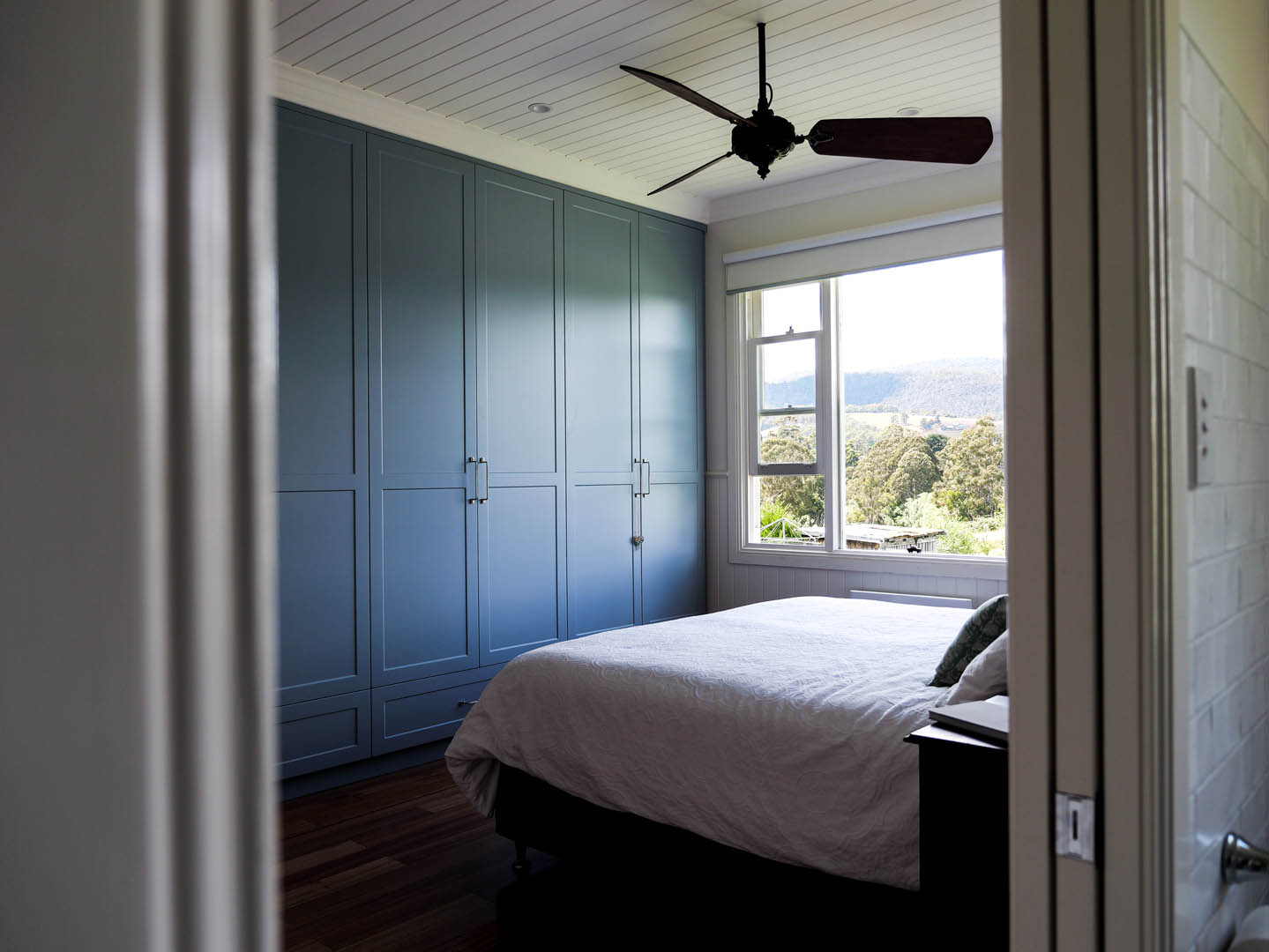
In many cases, renovation can be a practical and effective way to improve a home without starting from scratch. This is often the case where the existing structure still performs well and the layout can be adapted, in situations such as:
Structurally sound homes
If the foundation, framing and overall integrity are in good condition, renovation can extend the life of the home without major structural changes. This often applies to well-built homes from the 80s and 90s.
Character homes worth preserving
Weatherboard cottages and period homes across areas like New Town or North Hobart often carry value in their original features. Renovation allows these elements to be retained while improving functionality.
Layouts that already work
If the home has good flow, renovation can focus on kitchens, bathrooms and connection to outdoor areas rather than reworking the entire footprint.
Staged budget approach
Renovations can sometimes be completed in stages, allowing homeowners to prioritise key areas first and spread investment over time.
Planning or overlay considerations
Some sites have constraints that make rebuilding more complex, making renovation a more practical path.
Renovation tends to work best when the existing home still offers something worth building on. Rather than starting again, it becomes a process of refining what's already there and improving how the home functions day to day.
For many Hobart properties, especially in established suburbs, this approach can reduce disruption while still delivering meaningful upgrades that align with how people live now.
"Some homes just need refining rather than replacing. If the bones are good, you can get a strong result without the disruption of starting again. The first thing we do is understand what we're actually working with." says Tom, co-founder of Nomac Built.
There are situations where renovation becomes restrictive in what it can achieve. In these cases, rebuilding can provide a more effective long-term outcome.
Older homes across areas like Bellerive, Howrah and parts of Glenorchy often have layouts that no longer suit modern living. Small rooms, poor orientation and limited natural light can be difficult to resolve within the existing structure.
Rebuilding allows the home to be designed around the block from the beginning. Orientation, energy performance and layout can all be considered together.
"If you're trying to fix too many structural or layout issues at once, renovation can get really limiting, really fast. A rebuild gives you the chance to get everything working together from day one - orientation, layout, energy performance, all of it." says Zak.
Cost is often the first consideration, but the comparison is rarely as simple as one option being cheaper than the other. Renovating and rebuilding each carry different types of costs, risks and levels of certainty, which can influence decisions early.
In Hobart, factors like site slope, access and the age of the home can all affect how costs unfold once work begins. Understanding where variations typically occur helps set more realistic expectations before committing to either path.
For a clearer picture of how costs are put together and where they can shift, see Builder Quote Expectations Hobart and Budget Blowouts Hobart.
For many homeowners, seeing both options side by side can make the decision easier to understand. The comparison makes trade-offs easier to see at a glance.

The block itself often plays a larger role than the home when deciding between renovating and rebuilding. Slope, access, soil type and orientation all influence what is practical.
Steeper sites in areas like West Hobart or Mount Nelson may limit renovation potential without significant structural work. Rebuilding can allow for designs that better suit the land. Coastal areas such as Taroona or Lauderdale bring considerations around wind and exposure. These can be addressed more effectively in a new build.
Access and services can also shift the decision more than expected. Narrow driveways, limited machinery access or ageing infrastructure like drainage and stormwater can add complexity to renovations, particularly if upgrades are required. In some cases, starting fresh allows these elements to be addressed more efficiently within a new design, rather than working around existing constraints.
"The site usually tells you what's possible before the house does. Once you understand the block - slope, orientation, access - the direction becomes a lot clearer. Skip that step and you end up redesigning later." says Zak.
If you are unsure whether your home is better suited to renovation or a full rebuild, having both options assessed side by side can make the decision far clearer. Speak with Nomac Built to review how your home and site may perform under each approach before committing to design.
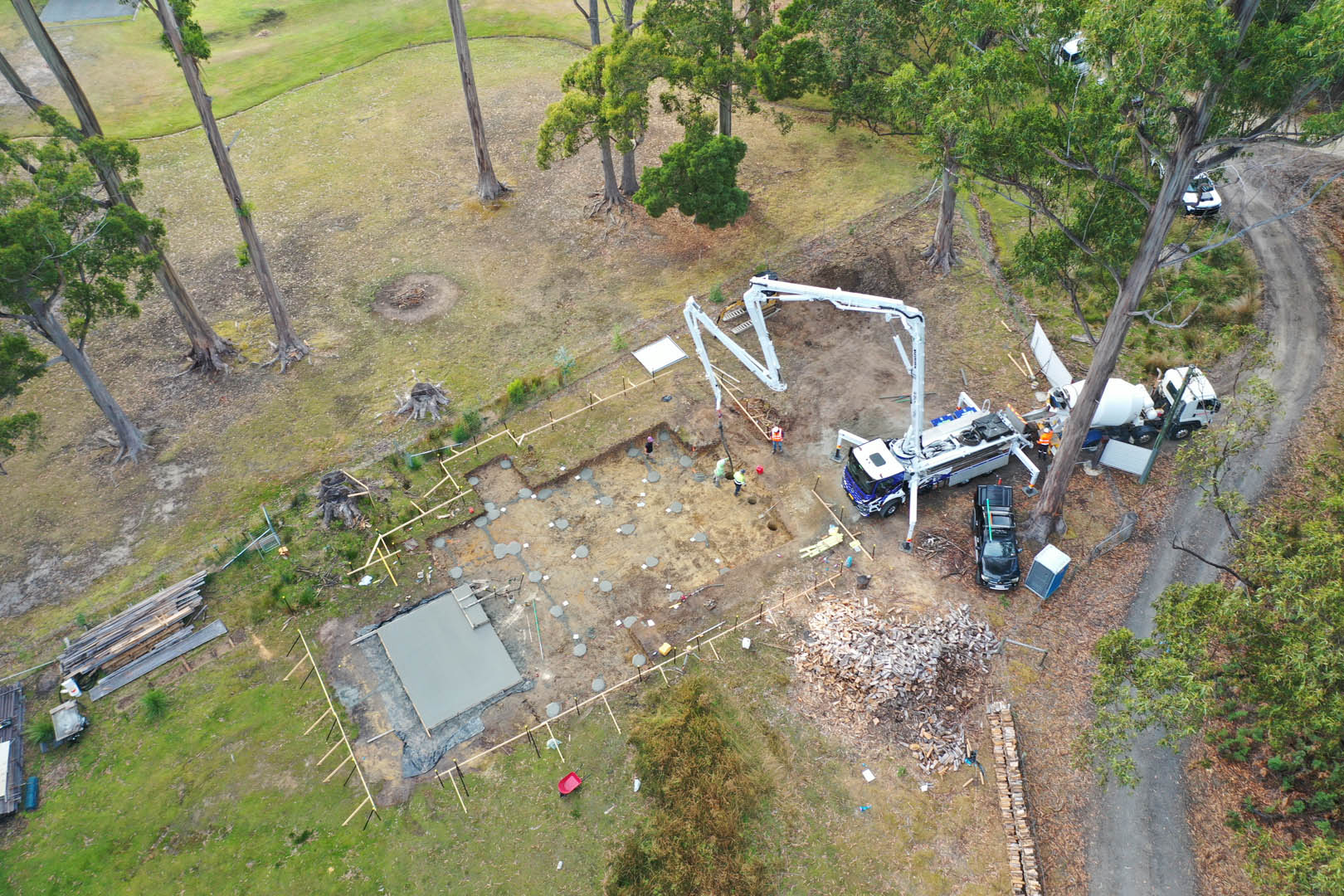
Beyond structure and cost, the decision also comes down to how you want to live in the home over the long term. This is often where rebuilding begins to stand out, but not always.
In many Hobart homes, especially across established suburbs, the original layout reflects how people lived decades ago. Smaller kitchens, separated living areas and limited connection to outdoor spaces can start to feel restrictive as lifestyles change.
This is where the decision becomes less about what is possible and more about what actually suits your day-to-day life. Renovation can improve certain areas, but there are times where the existing footprint simply limits how far those changes can go. Understanding how you want the home to function in five to ten years often brings more clarity than focusing on immediate needs alone.
"People often think about today, but the better projects think about five or ten years from now. That is where layout and flexibility really matter - and honestly, those conversations often end up shaping the direction more than the cost does." says Tom.
Choosing the wrong path often comes down to incomplete information early on - whereby small assumptions can lead to larger issues during construction.
Emotional attachment to the home can sometimes outweigh practical considerations. While understandable, this can make renovation seem more viable than it is.
Underestimating renovation complexity is another common issue. Older homes often carry hidden challenges that only become visible once work begins.
There is also a tendency to compare upfront cost rather than long-term value. Looking at how the home performs over time provides a more balanced view.
You can also read 6 Bathroom Renovation Mistakes Hobart Homeowners Make to better understand how early decisions influence renovation outcomes. If you are still weighing up who to work with, it can also help to review what to look for when choosing a Hobart builder, which outlines what to assess before committing.
Before deciding which path is right, it helps to step back and look at your home more objectively. Rather than focusing on a single factor like cost or appearance, comparing both options side by side often provides a clearer picture of what will actually work long term.
In Hobart, no two homes or blocks are exactly the same. What makes sense for a property in Sandy Bay may not apply in Glenorchy or Howrah, particularly when site conditions, age of the home and access all come into play. Working through a consistent set of questions helps remove some of the guesswork early.
These are the same considerations that typically shape early conversations with builders. By looking at structure, layout and site potential together, it becomes easier to identify whether renovation will genuinely solve the issues, or if rebuilding offers a more practical outcome.
Taking the time to work through these questions early can help avoid design changes and budget surprises later. In many cases, the right direction becomes clearer once both options are assessed side by side.
Is it cheaper to renovate or rebuild in Hobart?
Renovation can appear more affordable upfront, but costs often rise once work begins and hidden issues come to light - outdated wiring, structural movement or failing drainage. Rebuilding typically provides more predictable pricing because the scope is set from the start. In Hobart, where many homes were built pre-1980, renovation complexity is easy to underestimate until you are inside the walls.
Do I need council approval to rebuild in Hobart?
Yes, rebuilding in Hobart requires planning approval and building permits through the relevant council. The exact requirements depend on your zoning, any applicable overlays and the site conditions. Some blocks in areas like Sandy Bay or Mount Nelson carry heritage or environmental overlays that influence what can be built and how quickly approvals are granted.
How do I know if my home is worth renovating?
A structural and layout assessment is the most reliable starting point. It tells you whether the home's bones can support the changes you need, or whether the limitations are too deep to fix cost-effectively. In Hobart, homes from the 1960s and 70s often look sound on the surface but carry significant issues in services, insulation and subfloor condition - getting that assessment early avoids committing to a path that does not stack up.
Can I live in my home during a renovation?
For smaller or staged renovations, living in the home is often possible with some planning around disruption. Larger projects - particularly those involving structural changes, full kitchen or bathroom removal, or significant rewiring - usually require temporary relocation. It is worth factoring this into your overall budget early, as temporary accommodation adds real cost and is often underestimated.
Deciding between renovating and rebuilding is not about choosing the cheaper or easier option. It is about understanding which approach best suits your home, your site and how you want to live.
For many homeowners across Hobart and surrounding areas like Kingston, New Town and Howrah, the answer becomes clearer once both options are assessed side by side.
If you are weighing up what is possible, a practical conversation around your home and site can help clarify the next step.
You can contact Nomac Built to walk through both options and understand what makes sense for your situation.

October 12, 2026
Thinking about building on Bruny Island? Zak and Tom from Nomac Built break down the real ferry logistics, from concrete trucks to trade crews, behind a Bruny Island build.
read full post
October 1, 2026
Storage, a workshop or somewhere to park the car? Tom and Zak from Nomac Built break down when a shed does the job and when a garage is the better call in Hobart.
read full post
September 28, 2026
Confused by builder websites that all sound the same? Tom and Zak from Nomac Built break down what actually separates a custom builder from a volume builder in Hobart.
read full post
August 31, 2026
Comparing builder quotes in Hobart? Here's how tools like ChatGPT and Claude can help you understand the fine print and compare like for like.
read full post
August 24, 2026
Renovating or building in Hobart? Finalising your joinery plans before the rough-in stage avoids costly rework and keeps your project on track. Here's why it matters.
read full post
July 27, 2026
Wondering how long a bathroom renovation takes? Here's a realistic Hobart timeline, common causes of delays, and how to keep your project on track.
read full post
